Call Now:
1300 247 066Australia's #1 Food Trailer Supplier
Click Here For More Information
Scroll Down For Further Information
Call Now:
1300 247 066Australia's #1 Food Trailer Supplier
Scroll Down For Further Information
If you’re researching food trailers for sale in Australia, you’re probably asking the same questions everyone does:
How much does a food trailer really cost?
What size do I need?
Can I tow it with my car?
What approvals are required?
Buying a food trailer is a big step — but done right, it can be one of the smartest ways to start or grow a food business without the overheads of a café or restaurant.
If you’re at the early research stage, start by browsing our full range of
food trailers for sale in Australia to see what layouts and sizes are available.
For more information, full pricing and package options, register here

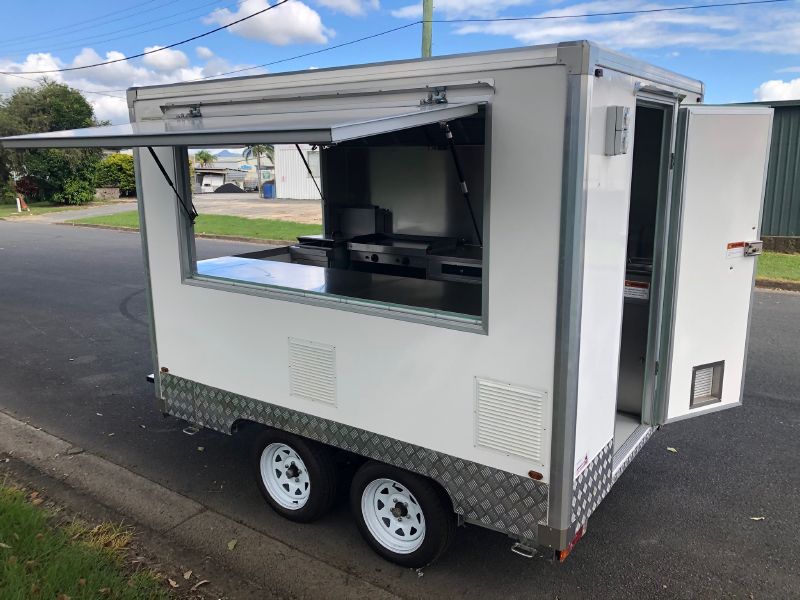
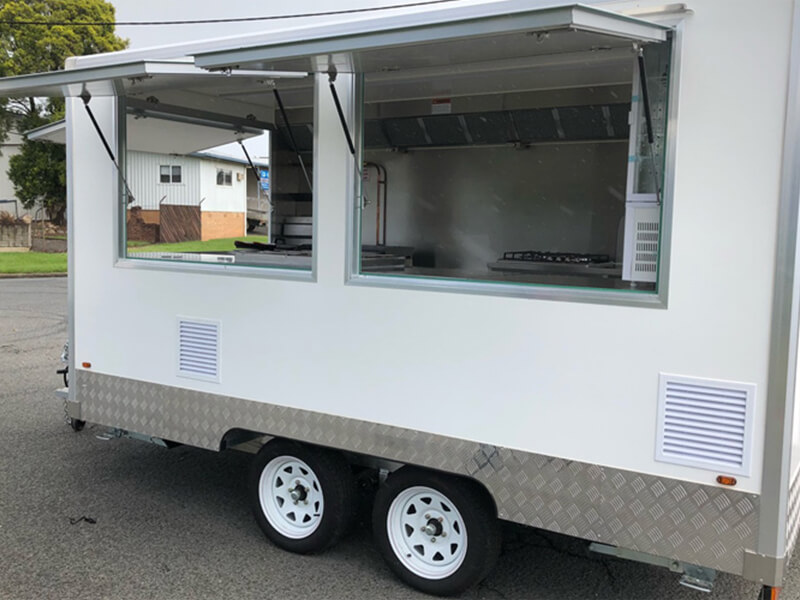
food trailer cost australia
Food trailers have become a popular choice for Australian operators because they offer:
Lower startup costs than cafés or restaurants
Faster setup times
Flexibility to trade at markets, events, and private functions
The ability to scale without relocating
Many Food Trailer King customers begin with a single trailer and later upgrade or add another as demand grows.
If you’re comparing formats, our guide to
food trailers vs food trucks is a helpful place to start.
One of the most common mistakes buyers make is choosing a trailer that’s either too small to work efficiently or larger than necessary.
1.8–2.4 m food trailers – Best for coffee, desserts, or compact menus
3.0–3.6 m food trailers – Ideal for most hot food businesses
4.2 m+ food trailers – Suited to high-volume service or multiple staff
You can explore different layouts and dimensions in our
custom food trailer range.
Two food trailers can look similar online but be very different in build quality and compliance.
A well-built food trailer should include:
Fully welded chassis
Commercial-grade stainless steel benches
Proper ventilation and canopy allowance
Easy-clean internal finishes
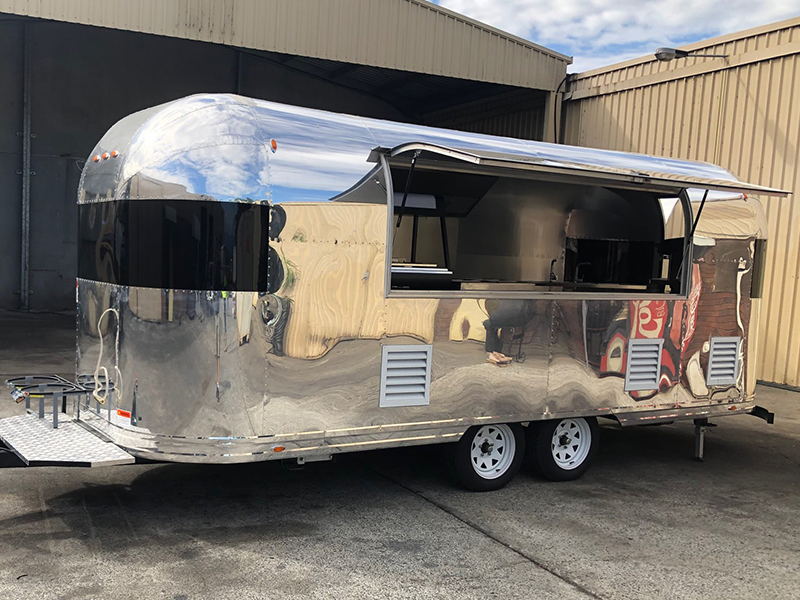
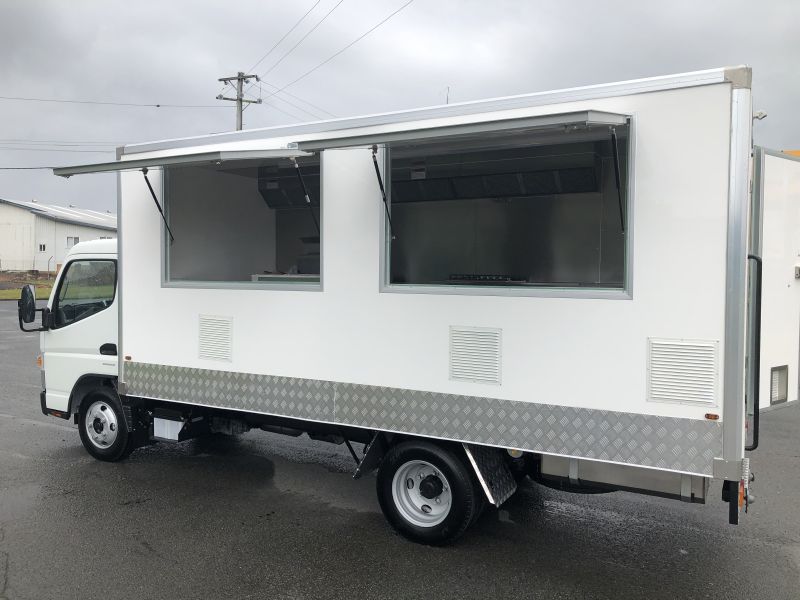
At Food Trailer King, trailers are designed for real Australian trading conditions — not just visual appeal.
You can see examples of layouts and inclusions on our
food trailer specifications page.
When searching “how much does a food trailer cost?”, many buyers only consider the trailer price.
You should also budget for:
Cooking equipment
Council approvals and inspections
Registration and insurance
Branding and signage
For a realistic breakdown, our
food trailer pricing guide explains what impacts cost and where people often underestimate.
Food trailer requirements vary by council and state, but preparation makes approvals far easier.
Before purchasing, consider:
Where you plan to trade
What food you’ll prepare
Power, water, and waste requirements
Our overview of
food trailer council approvals in Australia explains what most councils look for and how to prepare.
Your food trailer should support growth, not restrict it.
Ask yourself:
Will this layout handle higher volume?
Can equipment be added later?
Will it suit my menu in 1–2 years?
Many operators later upgrade to a larger or more specialised build — something worth considering from day one.
For more information, full pricing and package options, register here
Can I tow a food trailer with my car?
This depends on trailer size and your vehicle’s towing capacity. Smaller trailers are compatible with most utes and SUVs.
Is a food trailer better than a food truck?
For many first-time operators, yes. Food trailers are typically more affordable, lighter, and easier to maintain.
You can read more in our
food trailer FAQs.
A food trailer isn’t just equipment — it’s your business.
Choosing the right trailer can lead to:
Faster service
Fewer compliance issues
Easier daily operation
Stronger long-term returns
If you’re ready to take the next step, explore the full Food Trailer King range or speak with our team about a trailer that suits your goals.
View all Food Trailer King trailers for sale
For more information, full pricing and package options, register here
For further information about our range of products and prices, please enter your details in the form below to get access to instant pricing and the opportunity to have the information package posted out to you
